

PROJECT EXIT PLAN
A project exit plan is a formal strategy detailing how a project will end, transfer assets, and withdraw resources while ensuring the sustainability of its outcomes. It acts as a sustainability plan, outlining the handover process to partners or stakeholders, defining final reporting, and managing the transition of responsibilities to avoid losing project value built by the bankable development, using high quality standards and the best QMS.
A project exit plan is a formal strategy detailing how a project will end, transfer assets, and withdraw resources while ensuring the sustainability of its outcomes. It assures a sustainable handover of the project to partners or stakeholders at the highest market value possible.

What is a Project IPO Exit Plan?
A project IPO exit plan involves transforming a private company into a public entity to provide liquidity for investors, typically requiring 18–24 months of preparation to meet regulatory standards. Key steps include professionalizing board governance, cleaning up cap tables, establishing robust financial reporting (GAAP/IFRS), and appointing underwriting banks. It acts as a sustainability plan, outlining the process of acquiring the total investment for investors through the sales of share to the public.
IPO Exit Plan Core Requirements
- IPO Readiness Assessment. Evaluating financial stability, internal controls, and corporate governance to meet public company standards.
- Data Room Management. Maintaining an organized, audit-ready data room covering legal, financial, HR, and IP documentation.
- "Always-On" Governance. Establishing formal board meetings, audit committees, and hiring independent directors at least a period of 12-18 months prior.
- The Equity Story. Crafting a compelling narrative for public investors, detailing growth prospects, Key Performance Indictors (KPIs), and future strategy.
The IPO Process and Timeline
- 18–24 Months Out. Build the governance foundation, clean up financial records, and initiate tax planning.
- 12–18 Months Out. MDACI appoints underwriters (e.g., Goldman Sachs, JPMorgan) and one his external legal and financial advisors specialising in the EU or US capital market, depending on the exchange to list with.
- 6–12 Months Out. Perform a Quality of Earnings (QofE) study report, update the data room, and initiate regulatory filings (e.g., S-1 in the US).
- 90 Days Out. Finalize the prospectus, run the roadshow, price the offering, and list on an exchange (e.g., NYSE, Nasdaq, Euronext or Access).
Post-IPO Considerations
- Lock-up Periods. Early investors and founders are typically prohibited from selling shares for 90 to 180 days post-IPO to stabilize the share price.
- Secondary Offerings. PE/VC firms usually exit in stages over 2-4 years, selling shares after the lock-up expires rather than all at once.
- Dual-Track Strategy. Many firms maintain a "dual-track" process, preparing for an IPO while simultaneously entertaining acquisition offers (M&A) to lift valuation.
Common Pitfalls
- Underestimating Time. Treating the process as a 90-day sprint rather than an 18-month strategic shift.
- Governance Gaps. Missing board minutes or inaccurate cap tables, which are heavily scrutinized during due diligence.
- Ignoring Market Volatility. Proceeding with an IPO during unfavorable market conditions, which can lead to low valuations or cancelled deals.
OUR PRODUCTS AND SERVICES
Shop the Best Products and Services at the Best Deals

Industrial Products
Explore our great selection of the best and highest-quality industrials Products and shop by category / industry and by product type. Browse through and get the best deals now.

Market Research Reports
Browse through and find the right Research Reports paramount for your business growth. Whether you are a manufacturer, exporter consultant or buyer, this is the right place. Get started now.
BUSINESS INDUSTRIES
Discover our advanced solutions for each Business Industry
 AEROSPACE & DEFENCE INDUSTRY
 AGRICULTURE & FARNING INDUSTRY
 ART & CRAFTS INDUSTRY
 AUTOMOTIVE & TRANSPORT
 BANKING & FINANCE INDUSTRY
 CONSUMER GOODS INDUSTRY
 EDUCATION & TRAINING INDUSTRY
 ELECTRONICS & SEMICONDUCTORS
 ENERGY & UTILITIES INDUSTRY
 ENGINEERING & TECHNOLOGY
 ENVIRONMENT & ECOLOGY
 FASHION & APPAREL INDUSTRY
 FOOD & BEVERAGE INDUSTRY
 HEALTHCARE & BEAUTY INDUSTRY
 HIGH-TECH INDUSTRY
 INDUSTRIAL MANUFACTURING
 LIFE SCIENCE INDUSTRY
 LOGISTICS & SUPPLY CHAIN INDUSTRY
 MINING, METALS & MINERALS
 NATURAL RESOURCES INDUSTRY
 PACKAGING INDUSTRY
 PHARMACEUTICAL INDUSTRY
 POWER & UTILITIES INDUSTRY
 REAL ESTATE INDUSTRY
 RETAIL INDUSTRY
 SOFTWARE & HARDWARE INDUSTRY
 TELECOMMUNICATIONS & ICT
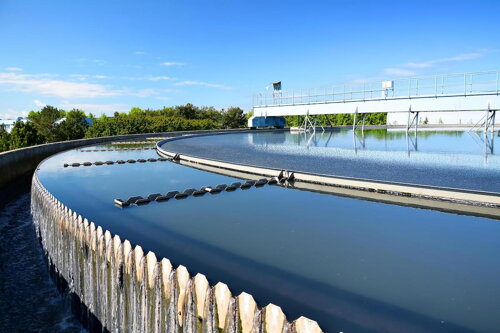 WATER & SANITATION INDUSTRY